Managing school fees has always been one of the most time-consuming and sensitive administrative tasks for educational institutions. From collecting payments on time to tracking dues, generating receipts, and handling parent queries, fee management can quickly become complex—especially as schools grow in size.
This is where a fee management system plays a critical role.
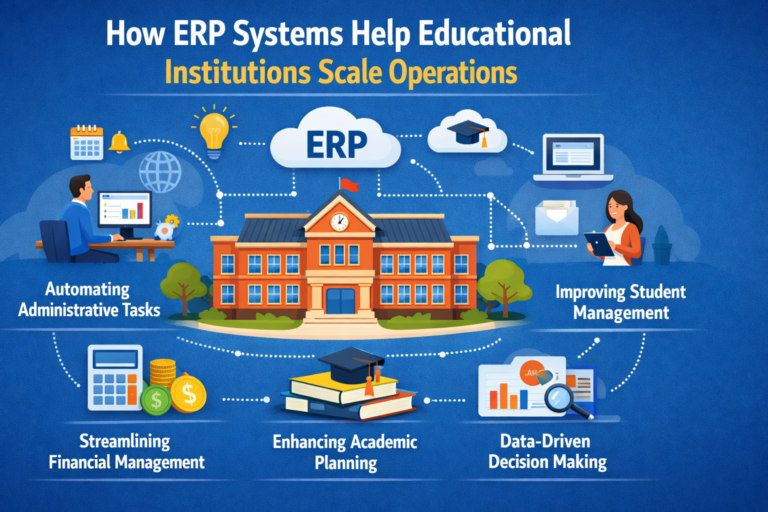
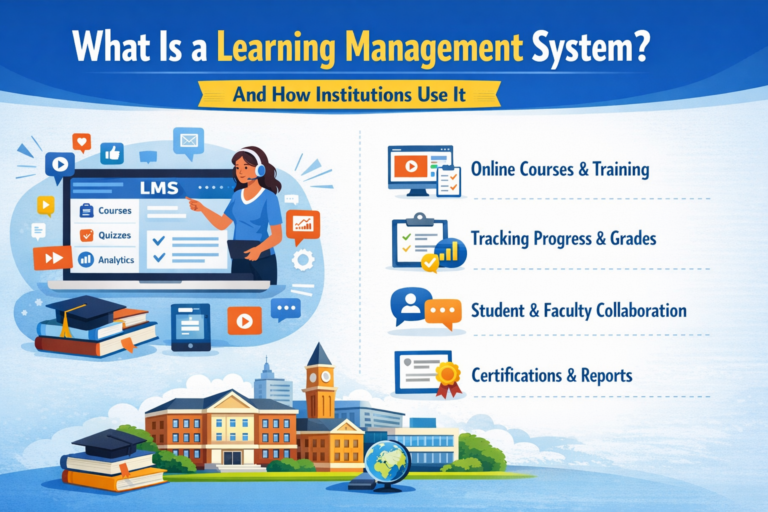
Modern schools are increasingly adopting online school fee payment systems as part of a larger ERP or learning management ecosystem. These systems not only simplify fee collection but also bring transparency, accuracy, and operational efficiency to school administration.
In this blog, we’ll explain what a fee management system is, how it works, and how it helps schools reduce administrative burden while improving the parent experience.
What Is a Fee Management System?
A fee management system is a digital solution that helps schools automate and manage all fee-related processes. Instead of relying on manual records, spreadsheets, or paper receipts, schools can use a centralized platform to handle fee structures, payments, and reporting.

A typical fee management system allows schools to:
- Define fee structures by class, section, or category
- Collect fees digitally through multiple payment modes
- Track paid, pending, and overdue fees
- Generate receipts and reports automatically
- Maintain accurate financial records
When implemented through a school ERP like Cadence, fee management becomes part of a connected administrative workflow rather than a standalone task.
Why Traditional Fee Collection Methods Create Challenges
Many schools still rely on semi-manual or outdated systems for fee collection. This often leads to operational inefficiencies such as:
- Manual data entry errors
- Delays in fee reconciliation
- Difficulty tracking partial or late payments
- Increased workload for administrative staff
- Frequent parent follow-ups and disputes
A centralized ERP platform such as Cadence helps schools move away from fragmented systems by bringing fee management, student data, and finance workflows together in one place.
How Fee Management Systems Help Schools

1. Simplifies Fee Collection Process
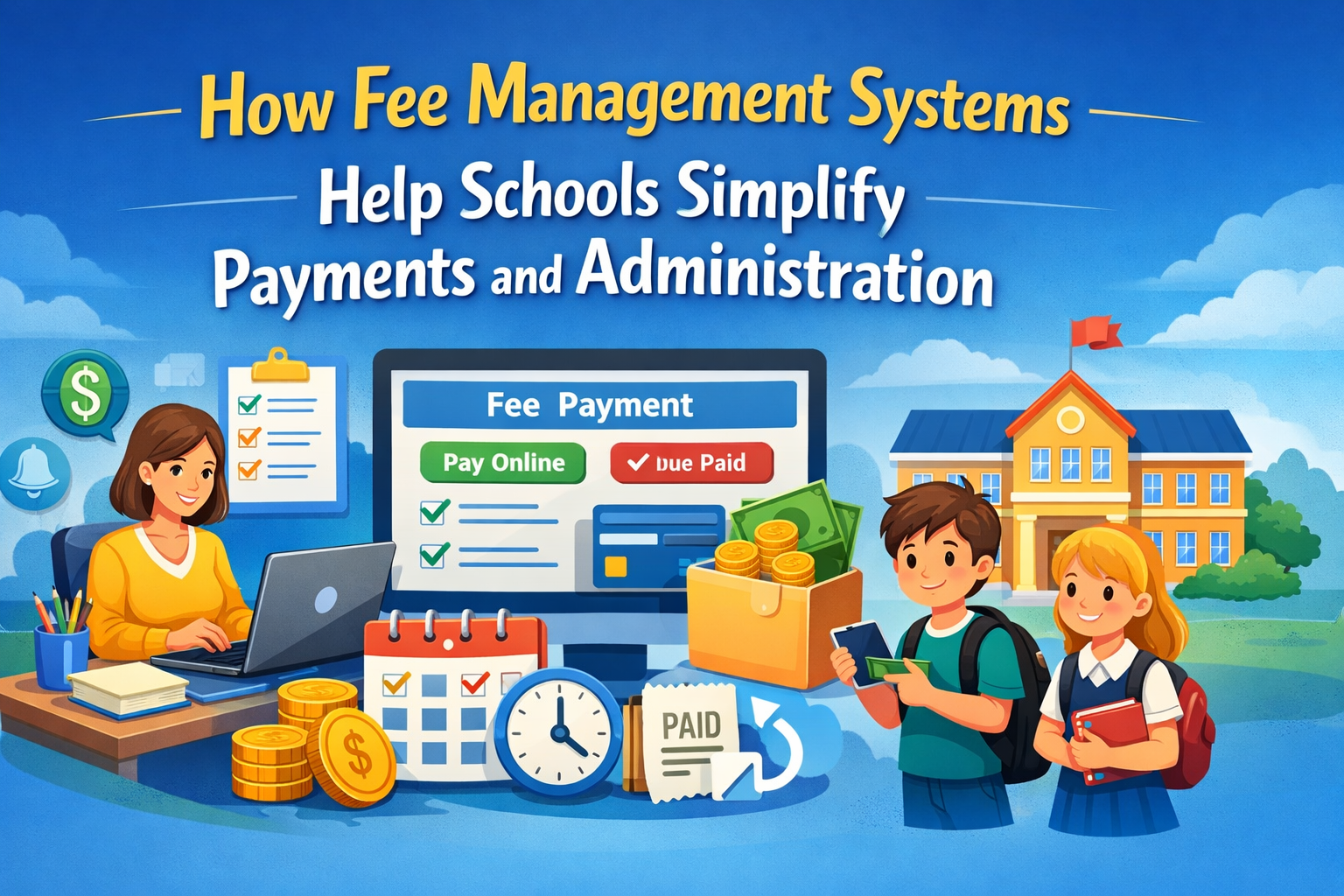
A fee management system automates the entire collection process. Schools can define fee schedules in advance and allow parents to pay online without visiting the campus.
Benefits include:
- Reduced queues and paperwork
- Faster collection cycles
- Less manual follow-up by staff
With Cadence, schools can configure fee structures once and manage collections digitally across academic terms.
2. Enables Online School Fee Payments
An online school fee payment system allows parents to pay fees securely through:
- UPI
- Debit or credit cards
- Net banking
- Digital wallets
By offering multiple digital payment options through platforms like Cadence, schools improve payment convenience for parents while ensuring faster and more accurate settlements.
3. Improves Accuracy and Reduces Errors
Manual fee tracking often leads to mismatches between receipts, bank entries, and internal records. A digital fee management system automatically updates payment status, minimizing human error.
Cadence helps maintain a single source of truth for fee data, reducing discrepancies and administrative rework.
4. Provides Real-Time Fee Tracking and Reports
One of the biggest advantages of a fee management system is real-time visibility.
School administrators can:
- View total fees collected
- Track outstanding dues
- Generate class-wise or term-wise reports
- Monitor payment trends
With Cadence, these insights are available through intuitive dashboards that help school leaders make informed financial decisions.
5. Reduces Administrative Workload
By automating repetitive tasks such as receipt generation, reminders, and reporting, fee management systems free up administrative staff to focus on higher-value activities.
Cadence streamlines these workflows, helping schools operate more efficiently without increasing administrative overhead.
6. Improves Parent Communication and Transparency
Parents often have questions about fee breakdowns, due dates, or payment confirmations. A fee management system provides clear visibility into:
- Fee components
- Payment history
- Pending amounts
Through Cadence, schools can ensure parents receive timely notifications, digital receipts, and clear fee information—reducing confusion and support queries.
7. Supports Compliance and Financial Audits
Schools are required to maintain accurate financial records for audits and regulatory compliance. A centralized fee management system helps by:
- Storing transaction histories securely
- Generating audit-ready reports
- Maintaining transparent financial trails
Cadence supports compliance needs by maintaining structured, accessible financial data throughout the academic year.
Role of Fee Management Systems in School ERP Platforms
A fee management system works best when integrated into a school ERP or learning management system. This integration connects fee data with:
- Student enrollment records
- Attendance and academic information
- Transport or hostel management
- Accounting and finance modules
Cadence brings these modules together, ensuring data consistency and eliminating silos across school departments.
Why Schools Are Moving Toward Digital Fee Management
The shift toward digital fee management is driven by several factors:
- Growing student numbers
- Increased parent expectations for digital services
- Need for operational efficiency
- Demand for transparency and accountability
Schools adopting ERP platforms like Cadence are better positioned to meet these evolving expectations.
How to Choose the Right Fee Management System for Your School
When evaluating a fee management system, schools should consider:
- Ease of use for staff and parents
- Support for multiple payment methods
- Customizable fee structures
- Integration with existing ERP or LMS
- Data security and compliance standards
- Reporting and analytics capabilities
Cadence is designed to meet these requirements while remaining flexible for different school sizes and fee models.
Final Thoughts
Managing school fees does not have to be complex or resource-intensive. A modern fee management system simplifies fee collection, improves transparency, and reduces administrative effort—while offering parents a convenient and secure payment experience.
When implemented through a unified ERP platform like Cadence, fee management becomes a seamless part of school operations rather than a recurring challenge.
For schools looking to modernize administration and enhance parent satisfaction, adopting a digital fee management solution is a practical and future-ready step.